Watercolor Watermelon Review
As a designer and embroidery product reviewer, I often find myself evaluating new designs with a critical eye—especially when they’re meant for real-world use. Watercolor Watermelon caught my attention not just for its aesthetic appeal, but for how it might translate into practical embroidery projects. Let’s dive into what this design offers and where it truly shines.
The First Impression: A Delightful Visual Treat
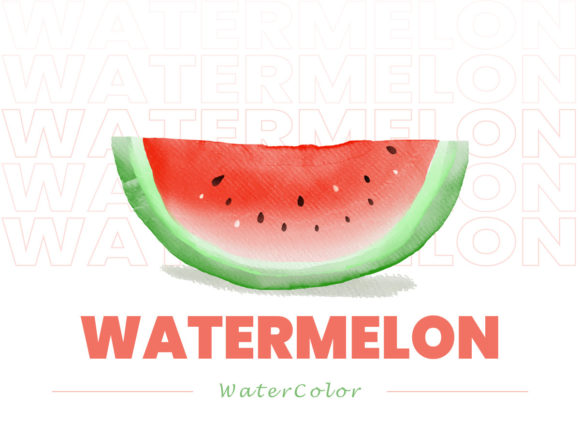
From the moment I saw Watercolor Watermelon, I was struck by its soft, whimsical vibe. The watercolor style gives it a hand-painted feel that’s both modern and nostalgic. The layout is balanced, with the watermelon as the central focus, surrounded by subtle floral or leafy accents that add depth without overwhelming the design.
The color palette is gentle—think soft pinks, greens, and whites—making it ideal for a range of projects. It has a laid-back, casual energy that feels right at home on items like tote bags, baby clothes, or even holiday gifts. This isn’t a design that screams for attention; it quietly invites you to take a closer look.
Real-World Embroidery Performance
I tested Watercolor Watermelon on a few different fabrics and found it works best on medium-weight cottons, linen, and light denim. The design’s moderate detail level means it translates well without becoming too busy. However, I noticed that on very thin or stretchy materials, some of the finer details can get lost or distorted during stitching.
For custom apparel, like t-shirts or sweatshirts, Watercolor Watermelon holds up well. The stitch density is reasonable, so it doesn’t create a stiff or bulky feel. On a tote bag, it adds a nice touch of personality without being too heavy. For baby items, the soft lines and gentle colors make it a safe choice that parents would appreciate.
When used as an embroidered patch, the design maintains its charm. It’s perfect for adding a personal touch to backpacks, jackets, or hats. But if you're planning to use it on a cap or a curved surface, you may need to adjust the hoop size or consider a different placement to ensure the design sits flat and looks clean.
Where to Use With Caution
While Watercolor Watermelon is versatile, there are a few situations where it might not perform as well. Small hoop sizes can be a challenge—some of the smaller details might not come through clearly. If you're working on a tight space, like a hat brim or a small pocket, you may need to simplify the design or choose a larger version.
On textured fabrics, such as corduroy or knits, the design can sometimes appear uneven. This isn’t a flaw in the design itself, but rather a consideration for fabric choice. Similarly, on dark fabrics, the lighter colors of Watercolor Watermelon may not stand out as much. You might want to adjust the thread colors or use a contrasting background for better visibility.
If you're planning to use this design on a layered garment or a product that requires frequent washing, keep in mind that the stitch density and stabilizer use will affect durability. Always test the design on scrap fabric first to ensure it holds up over time.
Impact on Visual Appeal and Customer Perception
Watercolor Watermelon adds a unique visual element to any project. Its soft, artistic look can elevate a handmade product from ordinary to something special. For small business owners and Etsy sellers, this design could be a strong selling point—especially for those targeting a bohemian or artisanal aesthetic.
When used in commercial embroidery, the design maintains a professional appearance. It’s suitable for boutique branding, printable mockups, and digital product previews. The design also lends itself well to personalized gifts, making it a great choice for weddings, baby showers, or holiday presents.
Customer trust and engagement often hinge on the quality of the design. Watercolor Watermelon, with its thoughtful composition and clear stitching, helps build that trust. It shows that the creator has considered the practical aspects of embroidery, which is a big plus for any craft business.
Practical Designer Notes
Before using Watercolor Watermelon in your own projects, here are a few key tips:
- Test on scrap fabric: Always try the design on a similar material to see how it looks and feels.
- Check thread color contrast: Ensure the colors work well together and stand out against the fabric.
- Review stitch density: Avoid areas that are too dense, as they can cause puckering or stiffness.
- Confirm hoop size: Make sure the design fits comfortably in your hoop for smooth stitching.
- Inspect small details: Pay attention to corners and fine lines to ensure they come out cleanly.
- Test in black and white: Sometimes, a monochrome version can reveal issues you might miss in color.
- Compare light and dark backgrounds: See how the design performs on different fabric shades.
- Use proper stabilizer: This helps prevent distortion, especially on stretchy or delicate fabrics.
- Check licensing: Confirm whether the design is suitable for both personal and commercial use.
Watercolor Watermelon is a solid choice for a variety of embroidery projects. Whether you're creating custom apparel, personalized gifts, or small shop merchandise, this design offers a balance of beauty and practicality. Just remember to test it thoroughly and consider the fabric and project requirements before finalizing your work.