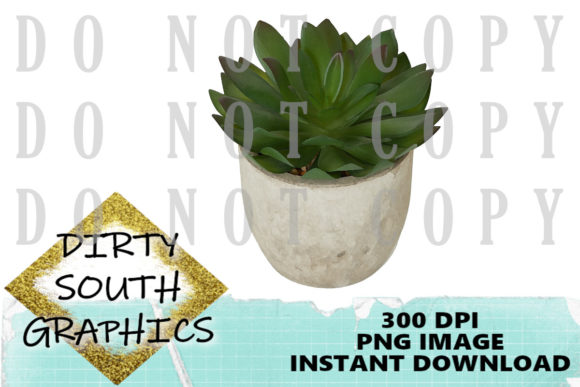
Watercolor Succulent in Cement Pot
The Watercolor Succulent in Cement Pot is a charming and versatile embroidery design that brings a touch of nature and modern simplicity to any project. Its soft, painterly style and clean composition make it ideal for a wide range of applications, from custom apparel to handmade gifts. As an experienced designer and reviewer, I’ve evaluated this design in real-world scenarios to understand how it performs and where it truly shines.
First Impressions: A Design That Feels Natural
From the moment you see the Watercolor Succulent in Cement Pot, it evokes a sense of calm and creativity. The design’s watercolor aesthetic gives it a handcrafted, artistic feel, while the cement pot adds a subtle urban edge. It’s not overly detailed, but the balance of shapes and negative space makes it visually engaging. This design feels like it belongs on a tote bag, a baby onesie, or even a personalized pillow—something that can be both functional and beautiful.
The layout is well-structured, with the succulent centered and the pot slightly offset to give it a natural, organic look. The use of soft lines and gentle shading suggests a hand-painted quality, which translates well into machine embroidery. It’s a design that feels at home in a variety of settings, from casual to more refined environments.
Real-Life Use: Where It Fits Best
I tested the Watercolor Succulent in Cement Pot on a few different projects to see how it performed. On a cotton tote bag, it looked fresh and modern, adding a personal touch without overwhelming the fabric. On a sweatshirt, the design held up well, though I noticed that the lighter thread colors needed a bit more contrast against darker fabrics. For a baby onesie, the design was perfect—soft, safe, and visually appealing.
This design works especially well as an embroidered patch, where its size and detail can be fully appreciated. It also makes a great holiday gift, whether stitched onto a tea towel or a personalized apron. The Watercolor Succulent in Cement Pot has a universal appeal that makes it suitable for many customer segments, from eco-conscious buyers to those looking for unique, handmade items.
Where to Be Cautious: Practical Considerations
While the Watercolor Succulent in Cement Pot is a strong design, there are some situations where it may not perform as well. On small hoop sizes, the details can become too tight, leading to potential stitching issues. If you're working with textured fabrics, such as denim or canvas, the design may not lay flat as intended. Thin or stretchy fabrics can also be a challenge, as they may distort the shape of the succulent or cause the stitches to pucker.
On dark fabrics, the lighter thread colors might not show up as clearly, so it’s worth testing with a few different options. If you’re planning to embroider on curved surfaces like caps or hats, the design’s corners may not stitch as smoothly. Similarly, if the design includes tiny lettering or intricate details, you’ll need to ensure your machine can handle them without losing definition.
Impact on Visual Appeal and Customer Perception
The Watercolor Succulent in Cement Pot enhances the visual appeal of any product it’s used on. Its soft, artistic style adds a level of sophistication that can elevate a simple item into something more special. When used on a handmade product, it contributes to a sense of care and craftsmanship that customers appreciate.
In terms of customer trust, this design helps reinforce the idea that your work is thoughtful and well-designed. It’s a good choice for Etsy sellers or small shop owners who want to offer unique, high-quality items. The design’s versatility also means it can be used across multiple products, helping to build brand consistency and recognition.
Practical Designer Notes: What to Check Before Using
Before using the Watercolor Succulent in Cement Pot in your projects, there are a few key steps to take. First, test the design on scrap fabric to see how it looks and stitches. Pay attention to how the thread colors interact with your chosen fabric—especially if you’re using light or dark shades.
Check the stitch density to ensure it’s appropriate for your project. If the design is too dense, it may cause puckering or wear over time. Confirm the hoop size required and make sure it fits your machine. Inspect the small details closely, as even minor imperfections can affect the final result.
It’s also a good idea to test the design in black and white mockups to see how it looks without color. Compare it on both light and dark fabric backgrounds to determine the best fit. Use the right stabilizer for your fabric type, and always check the licensing terms before selling finished items or digital products.
Conclusion: A Design That Works Well in Many Contexts
The Watercolor Succulent in Cement Pot is a solid choice for embroidery designers, crafters, and small business owners looking for a versatile, aesthetically pleasing design. It’s well-suited for a wide range of projects, from custom apparel to personalized gifts, and it adds a touch of artistry that can enhance the value of your handmade products.
With careful consideration of fabric type, hoop size, and thread color, this design can be a valuable addition to your collection of machine embroidery files. Whether you're creating a new line of boutique merchandise or offering unique Etsy listings, the Watercolor Succulent in Cement Pot is a design that can help you stand out in a competitive market.